
Maintaining a lush lawn is crucial for successful landscaping, involving watering, mowing, fertilizing, and pest control. Regular care practices enhance visual appeal, promote health, and require minimal upkeep. Choosing the right grass varieties and implementing effective techniques like seasonal mowing and strategic water management create low-maintenance outdoor spaces that support diverse plant life and increase property value.
Transform your outdoor space into a functional and beautiful oasis with our comprehensive guide to lawn care and landscaping. From fundamental lawn care practices that ensure lush, vibrant greens to innovative design ideas that enhance curb appeal, this article has you covered. We explore the latest techniques for creating diverse ecosystems, incorporating hardscapes like patios and walkways, and building durable structures such as decks and pergolas. Learn the secrets to effective planning, budgeting, permitting, and choosing the right materials to bring your dream outdoor space to life.
- Lawn Care Fundamentals
- – The importance of regular lawn care
- – Types of grass and their maintenance requirements
Lawn Care Fundamentals
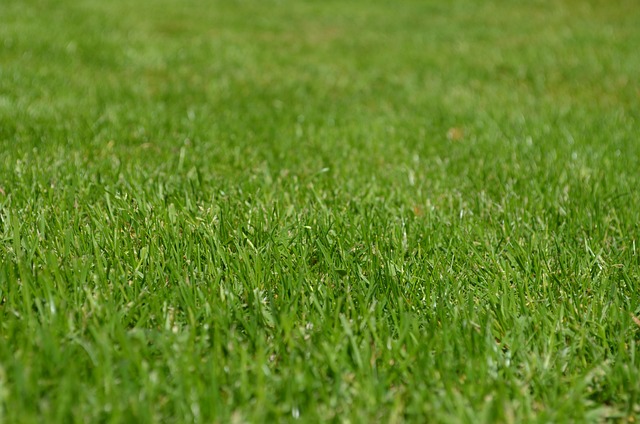
Maintaining a lush and well-cared-for lawn is an integral part of outdoor space design and build projects, especially in landscaping. Lawn care involves a combination of proper watering, mowing, fertilizing, and pest control to ensure your grass stays healthy and vibrant. Regular watering is crucial, ensuring the root system receives enough moisture for robust growth. Adjusting mowing heights according to grass species encourages dense growth while reducing stress.
Landscaping professionals often recommend a balanced fertilizer to promote lush foliage. Additionally, monitoring and treating any pest infestations promptly is vital to prevent damage. Implementing these lawn care fundamentals creates a solid foundation for an attractive and low-maintenance outdoor space, enhancing the overall aesthetic appeal of your landscape design.
– The importance of regular lawn care

Regular lawn care is an essential component of outdoor space design and landscaping. It involves a range of activities, from mowing and weeding to fertilizing and irrigation, that collectively contribute to maintaining a healthy, vibrant lawn. A well-cared-for lawn not only enhances the aesthetic appeal of your outdoor area but also provides numerous practical benefits. For instance, it offers a soft surface for play and relaxation, improves air quality by producing oxygen, and helps in preventing soil erosion.
Moreover, proper lawn care plays a crucial role in ensuring the long-term health and durability of your landscaping investments. Regular maintenance detects and addresses potential issues early on, such as pest infestations or nutrient deficiencies. By implementing a balanced lawn care regimen, you can foster a robust ecosystem that supports diverse plant life, attracts beneficial insects, and creates a thriving outdoor environment that brings joy and value to your property.
– Types of grass and their maintenance requirements

When designing and building an outdoor space, selecting the right type of grass is crucial for a lush and low-maintenance lawn. Varieties like Kentucky Bluegrass, Fescues, and Ryegrass are popular choices due to their adaptability and dense growth, ensuring your landscape stays vibrant. Each type has distinct characteristics and care needs; for instance, Kentucky Bluegrass thrives in cooler temperatures, making it ideal for northern regions, while Fescues can tolerate heat and drought, perfect for sunnier climates. Regular mowing, watering, and fertilizing are fundamental lawn care practices to keep grass healthy. Moreover, proper landscaping techniques, such as creating well-defined edges and incorporating shade structures, enhance the overall aesthetic appeal and facilitate easier maintenance.
Maintaining a lush lawn involves understanding and adhering to specific requirements for each grass type. This includes adjusting mowing heights according to seasonal changes and regularly testing soil health to ensure optimal nutrient levels. Effective landscaping practices like proper drainage and strategic planting of groundcover can significantly reduce water usage and minimize the need for chemical applications, contributing to a healthier environment and more sustainable lawn care routines.
Transforming your outdoor space into a lush, well-maintained oasis is an art that combines lawn care and landscaping expertise. By understanding the fundamentals of lawn care, including regular maintenance and choosing the right grass types, you lay the foundation for a beautiful, vibrant yard. Incorporating these practices ensures your landscape not only looks inviting but also stands the test of time. So, whether you’re a green-thumbed enthusiast or a novice gardener, investing in proper lawn care and thoughtful landscaping design will undoubtedly enhance your outdoor sanctuary.